Czech Wines Regions
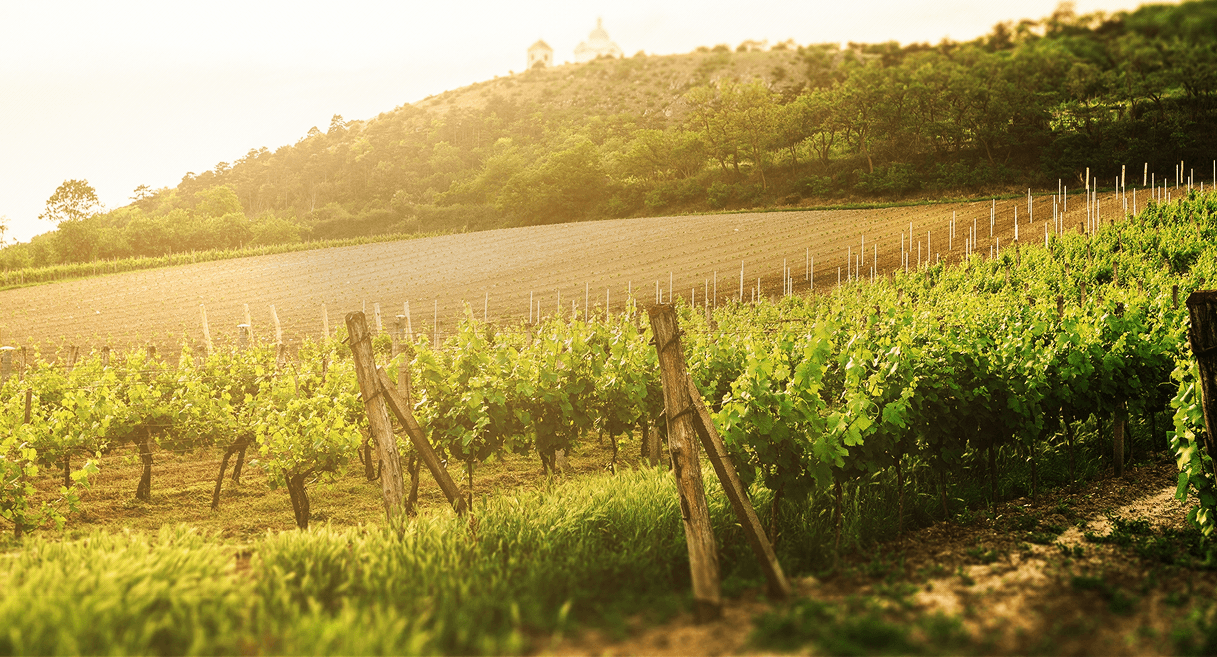
Czech vineyards are rooted in the cool heart of Central Europe, where altitude, latitude, and continental airflow shape a climate ideal for precision, crispiness and minerality.
Approximately 96% of vineyards lie in Moravia, while the remaining 4% are in Bohemia, a region up to 4 °C cooler on average. This climatic range allows for outstanding expressions of Sauvignon Blanc, Riesling, Pinot Noir and other cool-climate varietals.
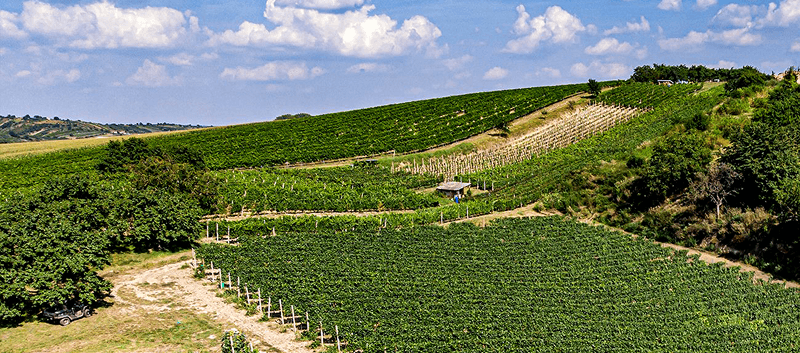
What sets Czech viticulture apart is its extraordinary microregional diversity. Even within a single vineyard slope, variations in soil, subsoil, and exposure create dramatically different conditions. It’s common to see almond trees, lavender fields, and wild herbs thriving naturally between vineyard rows - living proof of a unique ecological synergy that amplifies the character and minerality of the wines.
Czech vineyards are rooted in the cool heart of Central Europe, where altitude, latitude, and continental airflow shape a climate ideal for precision, crispiness and minerality.
Approximately 96% of vineyards lie in Moravia, while the remaining 4% are in Bohemia, a region up to 4 °C cooler on average. This climatic range allows for outstanding expressions of Sauvignon Blanc, Riesling, Pinot Noir and other cool-climate varietals.
What sets Czech viticulture apart is its extraordinary microregional diversity. Even within a single vineyard slope, variations in soil, subsoil, and exposure create dramatically different conditions. It’s common to see almond trees, lavender fields, and wild herbs thriving naturally between vineyard rows - living proof of a unique ecological synergy that amplifies the character and minerality of the wines.

BOHEMIA
BOHEMIA
BOHEMIA
MORAVIA
MORAVIA
MORAVIA
SILESIA
SILESIA
SILESIA
Czech vineyards are rooted in the cool heart of Central Europe, where altitude, latitude, and continental airflow shape a climate ideal for precision, crispiness and minerality.
Approximately 96% of vineyards lie in Moravia, while the remaining 4% are in Bohemia, a region up to 4 °C cooler on average. This climatic range allows for outstanding expressions of Sauvignon Blanc, Riesling, Pinot Noir and other cool-climate varietals.
What sets Czech viticulture apart is its extraordinary microregional diversity. Even within a single vineyard slope, variations in soil, subsoil, and exposure create dramatically different conditions. It’s common to see almond trees, lavender fields, and wild herbs thriving naturally between vineyard rows - living proof of a unique ecological synergy that amplifies the character and minerality of the wines.
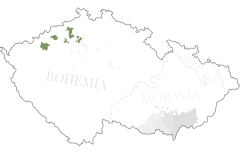
Litoměřice Region
Terroir
Volcanic soils (basalt, tuff), mineral-rich
Climate
Cool, with sun-exposed south-facing slopes
Grape Highlights
Riesling
-
zesty, stony, dry
Müller
-
Thurgau - fresh, floral, crisp
Traminer
-
aromatic, spiced, powerful
Pinot Blanc
-
juicy, clean, minerally
Notable Wine Villages
Litoměřice, Žernoseky, Třebívlice, Most (steep vineyards on volcanic hillsides)
Growing potential
Basalt soils and sun-facing vineyards give excellent drainage and intensity, producing crisp whites with volcanic character.
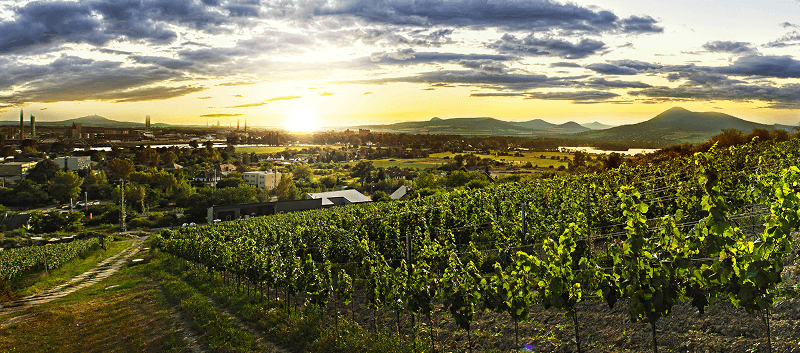
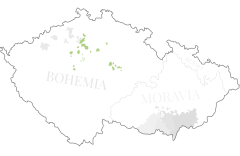
Mělník Region
Terroir
Gravel, sand, alluvial sediments on limestone
Climate
Milder, river-influenced (Vltava, Elbe)
Grape Highlights
Pinot Noir
-
light-bodied, red-fruited, elegant
St. Laurent
-
deeper, earthy, slightly spiced
Müller
-
Thurgau - easy-drinking, aromatic
Notable Wine Villages
Mělník, Kralupy nad Vltavou, Velké Žernoseky (traditional region with royal wine history)
Growing potential
Historical terroir for reds: gravelly soils and temperate climate allow light but expressive styles to thrive.
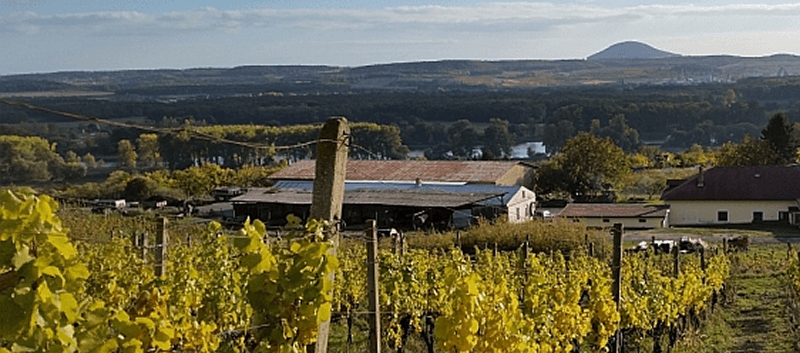
Litoměřice Region
Terroir
Volcanic soils (basalt, tuff), mineral-rich
Climate
Cool, with sun-exposed south-facing slopes
Grape Highlights
Riesling
-
zesty, stony, dry
Müller
-
Thurgau - fresh, floral, crisp
Traminer
-
aromatic, spiced, powerful
Pinot Blanc
-
juicy, clean, minerally
Notable Wine Villages
Litoměřice, Žernoseky, Třebívlice, Most (steep vineyards on volcanic hillsides)
Growing potential
Basalt soils and sun-facing vineyards give excellent drainage and intensity, producing crisp whites with volcanic character.
Mělník Region
Terroir
Gravel, sand, alluvial sediments on limestone
Climate
Milder, river-influenced (Vltava, Elbe)
Grape Highlights
Pinot Noir
-
light-bodied, red-fruited, elegant
St. Laurent
-
deeper, earthy, slightly spiced
Müller
-
Thurgau - easy-drinking, aromatic
Notable Wine Villages
Mělník, Kralupy nad Vltavou, Velké Žernoseky (traditional region with royal wine history)
Growing potential
Historical terroir for reds: gravelly soils and temperate climate allow light but expressive styles to thrive.
Litoměřice Region
Terroir
Volcanic soils (basalt, tuff), mineral-rich
Climate
Cool, with sun-exposed south-facing slopes
Grape Highlights
Riesling
-
zesty, stony, dry
Müller
-
Thurgau - fresh, floral, crisp
Traminer
-
aromatic, spiced, powerful
Pinot Blanc
-
juicy, clean, minerally
Notable Wine Villages
Litoměřice, Žernoseky, Třebívlice, Most (steep vineyards on volcanic hillsides)
Growing potential
Basalt soils and sun-facing vineyards give excellent drainage and intensity, producing crisp whites with volcanic character.
Mělník Region
Terroir
Gravel, sand, alluvial sediments on limestone
Climate
Milder, river-influenced (Vltava, Elbe)
Grape Highlights
Pinot Noir
-
light-bodied, red-fruited, elegant
St. Laurent
-
deeper, earthy, slightly spiced
Müller
-
Thurgau - easy-drinking, aromatic
Notable Wine Villages
Mělník, Kralupy nad Vltavou, Velké Žernoseky (traditional region with royal wine history)
Growing potential
Historical terroir for reds: gravelly soils and temperate climate allow light but expressive styles to thrive.
Litoměřice Region
Terroir
Volcanic soils (basalt, tuff), mineral-rich
Climate
Cool, with sun-exposed south-facing slopes
Grape Highlights
Riesling
-
zesty, stony, dry
Müller
-
Thurgau - fresh, floral, crisp
Traminer
-
aromatic, spiced, powerful
Pinot Blanc
-
juicy, clean, minerally
Notable Wine Villages
Litoměřice, Žernoseky, Třebívlice, Most (steep vineyards on volcanic hillsides)
Growing potential
Basalt soils and sun-facing vineyards give excellent drainage and intensity, producing crisp whites with volcanic character.
Mělník Region
Terroir
Gravel, sand, alluvial sediments on limestone
Climate
Milder, river-influenced (Vltava, Elbe)
Grape Highlights
Pinot Noir
-
light-bodied, red-fruited, elegant
St. Laurent
-
deeper, earthy, slightly spiced
Müller
-
Thurgau - easy-drinking, aromatic
Notable Wine Villages
Mělník, Kralupy nad Vltavou, Velké Žernoseky (traditional region with royal wine history)
Growing potential
Historical terroir for reds: gravelly soils and temperate climate allow light but expressive styles to thrive.
Litoměřice Region
Terroir
Volcanic soils (basalt, tuff), mineral-rich
Climate
Cool, with sun-exposed south-facing slopes
Grape Highlights
Riesling
-
zesty, stony, dry
Müller
-
Thurgau - fresh, floral, crisp
Traminer
-
aromatic, spiced, powerful
Pinot Blanc
-
juicy, clean, minerally
Notable Wine Villages
Litoměřice, Žernoseky, Třebívlice, Most (steep vineyards on volcanic hillsides)
Growing potential
Basalt soils and sun-facing vineyards give excellent drainage and intensity, producing crisp whites with volcanic character.
Mělník Region
Terroir
Gravel, sand, alluvial sediments on limestone
Climate
Milder, river-influenced (Vltava, Elbe)
Grape Highlights
Pinot Noir
-
light-bodied, red-fruited, elegant
St. Laurent
-
deeper, earthy, slightly spiced
Müller
-
Thurgau - easy-drinking, aromatic
Notable Wine Villages
Mělník, Kralupy nad Vltavou, Velké Žernoseky (traditional region with royal wine history)
Growing potential
Historical terroir for reds: gravelly soils and temperate climate allow light but expressive styles to thrive.
Litoměřice Region
Terroir
Volcanic soils (basalt, tuff), mineral-rich
Climate
Cool, with sun-exposed south-facing slopes
Grape Highlights
Riesling
-
zesty, stony, dry
Müller
-
Thurgau - fresh, floral, crisp
Traminer
-
aromatic, spiced, powerful
Pinot Blanc
-
juicy, clean, minerally
Notable Wine Villages
Litoměřice, Žernoseky, Třebívlice, Most (steep vineyards on volcanic hillsides)
Growing potential
Basalt soils and sun-facing vineyards give excellent drainage and intensity, producing crisp whites with volcanic character.
Mělník Region
Terroir
Gravel, sand, alluvial sediments on limestone
Climate
Milder, river-influenced (Vltava, Elbe)
Grape Highlights
Pinot Noir
-
light-bodied, red-fruited, elegant
St. Laurent
-
deeper, earthy, slightly spiced
Müller
-
Thurgau - easy-drinking, aromatic
Notable Wine Villages
Mělník, Kralupy nad Vltavou, Velké Žernoseky (traditional region with royal wine history)
Growing potential
Historical terroir for reds: gravelly soils and temperate climate allow light but expressive styles to thrive.
Litoměřice Region
Terroir
Volcanic soils (basalt, tuff), mineral-rich
Climate
Cool, with sun-exposed south-facing slopes
Grape Highlights
Riesling
-
zesty, stony, dry
Müller
-
Thurgau - fresh, floral, crisp
Traminer
-
aromatic, spiced, powerful
Pinot Blanc
-
juicy, clean, minerally
Notable Wine Villages
Litoměřice, Žernoseky, Třebívlice, Most (steep vineyards on volcanic hillsides)
Growing potential
Basalt soils and sun-facing vineyards give excellent drainage and intensity, producing crisp whites with volcanic character.
Mělník Region
Terroir
Gravel, sand, alluvial sediments on limestone
Climate
Milder, river-influenced (Vltava, Elbe)
Grape Highlights
Pinot Noir
-
light-bodied, red-fruited, elegant
St. Laurent
-
deeper, earthy, slightly spiced
Müller
-
Thurgau - easy-drinking, aromatic
Notable Wine Villages
Mělník, Kralupy nad Vltavou, Velké Žernoseky (traditional region with royal wine history)
Growing potential
Historical terroir for reds: gravelly soils and temperate climate allow light but expressive styles to thrive.
Litoměřice Region
Terroir
Volcanic soils (basalt, tuff), mineral-rich
Climate
Cool, with sun-exposed south-facing slopes
Grape Highlights
Riesling
-
zesty, stony, dry
Müller
-
Thurgau - fresh, floral, crisp
Traminer
-
aromatic, spiced, powerful
Pinot Blanc
-
juicy, clean, minerally
Notable Wine Villages
Litoměřice, Žernoseky, Třebívlice, Most (steep vineyards on volcanic hillsides)
Growing potential
Basalt soils and sun-facing vineyards give excellent drainage and intensity, producing crisp whites with volcanic character.
Mělník Region
Terroir
Gravel, sand, alluvial sediments on limestone
Climate
Milder, river-influenced (Vltava, Elbe)
Grape Highlights
Pinot Noir
-
light-bodied, red-fruited, elegant
St. Laurent
-
deeper, earthy, slightly spiced
Müller
-
Thurgau - easy-drinking, aromatic
Notable Wine Villages
Mělník, Kralupy nad Vltavou, Velké Žernoseky (traditional region with royal wine history)
Growing potential
Historical terroir for reds: gravelly soils and temperate climate allow light but expressive styles to thrive.
Litoměřice Region
Terroir
Volcanic soils (basalt, tuff), mineral-rich
Climate
Cool, with sun-exposed south-facing slopes
Grape Highlights
Riesling
-
zesty, stony, dry
Müller
-
Thurgau - fresh, floral, crisp
Traminer
-
aromatic, spiced, powerful
Pinot Blanc
-
juicy, clean, minerally
Notable Wine Villages
Litoměřice, Žernoseky, Třebívlice, Most (steep vineyards on volcanic hillsides)
Growing potential
Basalt soils and sun-facing vineyards give excellent drainage and intensity, producing crisp whites with volcanic character.
Mělník Region
Terroir
Gravel, sand, alluvial sediments on limestone
Climate
Milder, river-influenced (Vltava, Elbe)
Grape Highlights
Pinot Noir
-
light-bodied, red-fruited, elegant
St. Laurent
-
deeper, earthy, slightly spiced
Müller
-
Thurgau - easy-drinking, aromatic
Notable Wine Villages
Mělník, Kralupy nad Vltavou, Velké Žernoseky (traditional region with royal wine history)
Growing potential
Historical terroir for reds: gravelly soils and temperate climate allow light but expressive styles to thrive.
Litoměřice Region
Terroir
Volcanic soils (basalt, tuff), mineral-rich
Climate
Cool, with sun-exposed south-facing slopes
Grape Highlights
Riesling
-
zesty, stony, dry
Müller
-
Thurgau - fresh, floral, crisp
Traminer
-
aromatic, spiced, powerful
Pinot Blanc
-
juicy, clean, minerally
Notable Wine Villages
Litoměřice, Žernoseky, Třebívlice, Most (steep vineyards on volcanic hillsides)
Growing potential
Basalt soils and sun-facing vineyards give excellent drainage and intensity, producing crisp whites with volcanic character.
Mělník Region
Terroir
Gravel, sand, alluvial sediments on limestone
Climate
Milder, river-influenced (Vltava, Elbe)
Grape Highlights
Pinot Noir
-
light-bodied, red-fruited, elegant
St. Laurent
-
deeper, earthy, slightly spiced
Müller
-
Thurgau - easy-drinking, aromatic
Notable Wine Villages
Mělník, Kralupy nad Vltavou, Velké Žernoseky (traditional region with royal wine history)
Growing potential
Historical terroir for reds: gravelly soils and temperate climate allow light but expressive styles to thrive.
Litoměřice Region
Terroir
Volcanic soils (basalt, tuff), mineral-rich
Climate
Cool, with sun-exposed south-facing slopes
Grape Highlights
Riesling
-
zesty, stony, dry
Müller
-
Thurgau - fresh, floral, crisp
Traminer
-
aromatic, spiced, powerful
Pinot Blanc
-
juicy, clean, minerally
Notable Wine Villages
Litoměřice, Žernoseky, Třebívlice, Most (steep vineyards on volcanic hillsides)
Growing potential
Basalt soils and sun-facing vineyards give excellent drainage and intensity, producing crisp whites with volcanic character.
Mělník Region
Terroir
Gravel, sand, alluvial sediments on limestone
Climate
Milder, river-influenced (Vltava, Elbe)
Grape Highlights
Pinot Noir
-
light-bodied, red-fruited, elegant
St. Laurent
-
deeper, earthy, slightly spiced
Müller
-
Thurgau - easy-drinking, aromatic
Notable Wine Villages
Mělník, Kralupy nad Vltavou, Velké Žernoseky (traditional region with royal wine history)
Growing potential
Historical terroir for reds: gravelly soils and temperate climate allow light but expressive styles to thrive.
Litoměřice Region
Terroir
Volcanic soils (basalt, tuff), mineral-rich
Climate
Cool, with sun-exposed south-facing slopes
Grape Highlights
Riesling
-
zesty, stony, dry
Müller
-
Thurgau - fresh, floral, crisp
Traminer
-
aromatic, spiced, powerful
Pinot Blanc
-
juicy, clean, minerally
Notable Wine Villages
Litoměřice, Žernoseky, Třebívlice, Most (steep vineyards on volcanic hillsides)
Growing potential
Basalt soils and sun-facing vineyards give excellent drainage and intensity, producing crisp whites with volcanic character.
Mělník Region
Terroir
Gravel, sand, alluvial sediments on limestone
Climate
Milder, river-influenced (Vltava, Elbe)
Grape Highlights
Pinot Noir
-
light-bodied, red-fruited, elegant
St. Laurent
-
deeper, earthy, slightly spiced
Müller
-
Thurgau - easy-drinking, aromatic
Notable Wine Villages
Mělník, Kralupy nad Vltavou, Velké Žernoseky (traditional region with royal wine history)
Growing potential
Historical terroir for reds: gravelly soils and temperate climate allow light but expressive styles to thrive.
BOHEMIA
BOHEMIA
BOHEMIA
MORAVIA
MORAVIA
MORAVIA
SILESIA
SILESIA
SILESIA
The Moravia wine-growing region covers approximately 17,025 hectares, representing around 96% of all registered vineyards in the Czech Republic. The region is home to more than 13,000 growers, cultivating over 1,100 officially registered vineyard tracks across 300+ wine-producing villages.
Situated along the 49th parallel, Moravia shares its latitude with iconic cool-climate regions such as Champagne and Germany’s Mosel and Rheingau - all known for their finesse, freshness, and age-worthy whites.
The average annual temperature in Moravia reaches 10.35 °C (50.6 °F), with annual rainfall around 568 mm and nearly 2,000 hours of sunshine per year - conditions that promote slow, even ripening, naturally preserved acidity, and complex aromatic development.
Znojmo Region
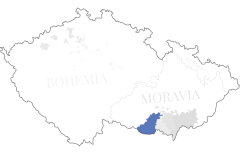
Terroir
Gravel, sand, light loams with calcareous elements
Climate
Cooler, breezy, west-facing hills
Grape Highlights
Sauvignon Blanc
-
grassy, citrusy, vibrant
Riesling
-
focused, mineral, herbal edge
Grüner Veltliner
-
crisp, spicy, light-bodied
Notable Wine Villages
Šatov, Hnanice, Znojmo, Dobšice (famous for historical cellar lanes and expressive Sauvignon)
Growing potential
The combination of cooler climate and light soils produces wines of tension, freshness, and aromatic purity.
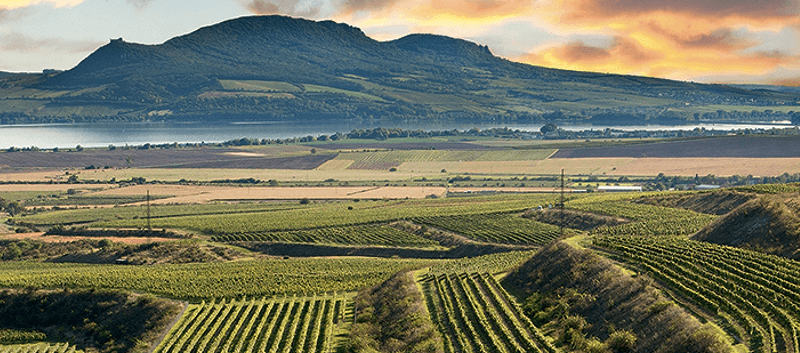
Mikulov Region
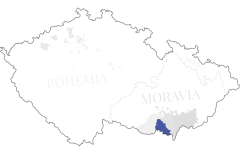
Terroir
Jurassic limestone, loess, loamy-sandy soils
Climate
Warm and dry, with sun-exposed slopes of the Pálava Hills
Grape Highlights
Welschriesling
-
saline, mineral, age-worthy
Grüner Veltliner
-
spicy, mineral, structured
Riesling
-
racy acidity, lime blossom, precision
Pálava
-
expressive, floral, textural
Notable Wine Villages
Pavlov, Dolní Dunajovice, Mikulov, Horní Věstonice (known for limestone-rich slopes and high aromatic potential)
Growing potential
Limestone soils and diurnal range bring clarity, elegance and mineral tension to whites. Pálava’s heat retention favors aromatics
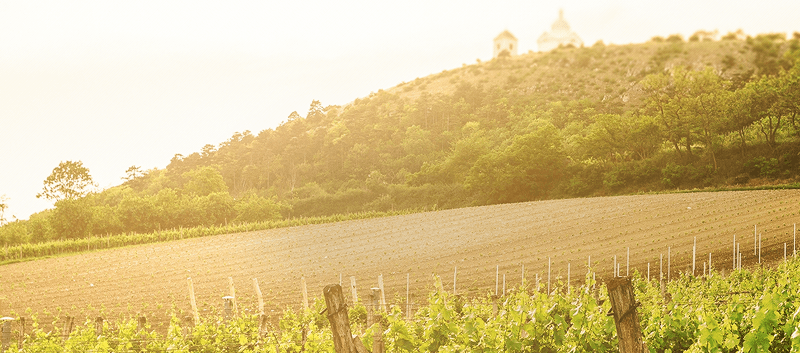
Velké Pavlovice Region
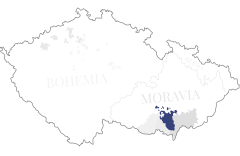
Terroir
Calcareous clay, loess, sandy marl
Climate
Warmest Moravian zone, ideal for red grapes
Grape Highlights
Blaufränkisch (Frankovka)
-
spicy, structured, dark-fruited
St. Laurent
-
juicy, floral, vibrant red
Pinot Noir
-
elegant, earthy, delicate tannin
Muscat & Müller
-
Thurgau - aromatic whites
Notable Wine Villages
Velké Pavlovice, Bořetice, Kobylí, Němčičky (known for microclimates and red-wine expression)
Growing potential
Clay-loam soils retain water and support phenolic maturity; sun-rich exposure favors full-bodied reds with balance and depth.
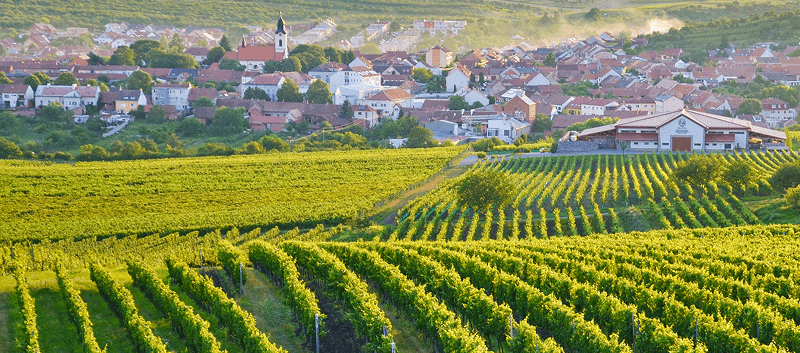
Slovácko Region
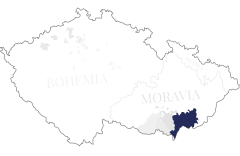
Terroir
Mixed: loess, river sediment, sandstone, clay
Climate
Varied, many microclimates along Morava River and White Carpathians
Grape Highlights
Pinot Blanc / Gris
-
creamy texture, citrus, balance
Traminer
-
spicy, floral, rich
Müller - Thurgau
-
light, fresh, orchard fruit
Blauer Portugieser
-
soft, fruity reds
Notable Wine Villages
Blatnice pod Svatym Antoninkem, Polesovice, Petrov, Mutenice (home of traditional folk architecture and historical wine cellars)
Growing potential
Diverse terroirs allow stylistic range. Ideal for producers who prioritize site expression and smaller-scale craft.
Znojmo Region
Terroir
Gravel, sand, light loams with calcareous elements
Climate
Cooler, breezy, west-facing hills
Grape Highlights
Sauvignon Blanc
-
grassy, citrusy, vibrant
Riesling
-
focused, mineral, herbal edge
Grüner Veltliner
-
crisp, spicy, light-bodied
Notable Wine Villages
Šatov, Hnanice, Znojmo, Dobšice (famous for historical cellar lanes and expressive Sauvignon)
Growing potential
The combination of cooler climate and light soils produces wines of tension, freshness, and aromatic purity.
Mikulov Region
Terroir
Jurassic limestone, loess, loamy-sandy soils
Climate
Warm and dry, with sun-exposed slopes of the Pálava Hills
Grape Highlights
Welschriesling
-
saline, mineral, age-worthy
Grüner Veltliner
-
spicy, mineral, structured
Riesling
-
racy acidity, lime blossom, precision
Pálava
-
expressive, floral, textural
Notable Wine Villages
Pavlov, Dolní Dunajovice, Mikulov, Horní Věstonice (known for limestone-rich slopes and high aromatic potential)
Growing potential
Limestone soils and diurnal range bring clarity, elegance and mineral tension to whites. Pálava’s heat retention favors aromatics
Velké Pavlovice Region
Terroir
Calcareous clay, loess, sandy marl
Climate
Warmest Moravian zone, ideal for red grapes
Grape Highlights
Blaufränkisch (Frankovka)
-
spicy, structured, dark-fruited
St. Laurent
-
juicy, floral, vibrant red
Pinot Noir
-
elegant, earthy, delicate tannin
Muscat & Müller
-
Thurgau - aromatic whites
Notable Wine Villages
Velké Pavlovice, Bořetice, Kobylí, Němčičky (known for microclimates and red-wine expression)
Growing potential
Clay-loam soils retain water and support phenolic maturity; sun-rich exposure favors full-bodied reds with balance and depth.
Slovácko Region
Terroir
Mixed: loess, river sediment, sandstone, clay
Climate
Varied, many microclimates along Morava River and White Carpathians
Grape Highlights
Pinot Blanc / Gris
-
creamy texture, citrus, balance
Traminer
-
spicy, floral, rich
Müller - Thurgau
-
light, fresh, orchard fruit
Blauer Portugieser
-
soft, fruity reds
Notable Wine Villages
Blatnice pod Svatym Antoninkem, Polesovice, Petrov, Mutenice (home of traditional folk architecture and historical wine cellars)
Growing potential
Diverse terroirs allow stylistic range. Ideal for producers who prioritize site expression and smaller-scale craft.
Znojmo Region
Terroir
Gravel, sand, light loams with calcareous elements
Climate
Cooler, breezy, west-facing hills
Grape Highlights
Sauvignon Blanc
-
grassy, citrusy, vibrant
Riesling
-
focused, mineral, herbal edge
Grüner Veltliner
-
crisp, spicy, light-bodied
Notable Wine Villages
Šatov, Hnanice, Znojmo, Dobšice (famous for historical cellar lanes and expressive Sauvignon)
Growing potential
The combination of cooler climate and light soils produces wines of tension, freshness, and aromatic purity.
Mikulov Region
Terroir
Jurassic limestone, loess, loamy-sandy soils
Climate
Warm and dry, with sun-exposed slopes of the Pálava Hills
Grape Highlights
Welschriesling
-
saline, mineral, age-worthy
Grüner Veltliner
-
spicy, mineral, structured
Riesling
-
racy acidity, lime blossom, precision
Pálava
-
expressive, floral, textural
Notable Wine Villages
Pavlov, Dolní Dunajovice, Mikulov, Horní Věstonice (known for limestone-rich slopes and high aromatic potential)
Growing potential
Limestone soils and diurnal range bring clarity, elegance and mineral tension to whites. Pálava’s heat retention favors aromatics
Velké Pavlovice Region
Terroir
Calcareous clay, loess, sandy marl
Climate
Warmest Moravian zone, ideal for red grapes
Grape Highlights
Blaufränkisch (Frankovka)
-
spicy, structured, dark-fruited
St. Laurent
-
juicy, floral, vibrant red
Pinot Noir
-
elegant, earthy, delicate tannin
Muscat & Müller
-
Thurgau - aromatic whites
Notable Wine Villages
Velké Pavlovice, Bořetice, Kobylí, Němčičky (known for microclimates and red-wine expression)
Growing potential
Clay-loam soils retain water and support phenolic maturity; sun-rich exposure favors full-bodied reds with balance and depth.
Slovácko Region
Terroir
Mixed: loess, river sediment, sandstone, clay
Climate
Varied, many microclimates along Morava River and White Carpathians
Grape Highlights
Pinot Blanc / Gris
-
creamy texture, citrus, balance
Traminer
-
spicy, floral, rich
Müller - Thurgau
-
light, fresh, orchard fruit
Blauer Portugieser
-
soft, fruity reds
Notable Wine Villages
Blatnice pod Svatym Antoninkem, Polesovice, Petrov, Mutenice (home of traditional folk architecture and historical wine cellars)
Growing potential
Diverse terroirs allow stylistic range. Ideal for producers who prioritize site expression and smaller-scale craft.
Znojmo Region
Terroir
Gravel, sand, light loams with calcareous elements
Climate
Cooler, breezy, west-facing hills
Grape Highlights
Sauvignon Blanc
-
grassy, citrusy, vibrant
Riesling
-
focused, mineral, herbal edge
Grüner Veltliner
-
crisp, spicy, light-bodied
Notable Wine Villages
Šatov, Hnanice, Znojmo, Dobšice (famous for historical cellar lanes and expressive Sauvignon)
Growing potential
The combination of cooler climate and light soils produces wines of tension, freshness, and aromatic purity.
Mikulov Region
Terroir
Jurassic limestone, loess, loamy-sandy soils
Climate
Warm and dry, with sun-exposed slopes of the Pálava Hills
Grape Highlights
Welschriesling
-
saline, mineral, age-worthy
Grüner Veltliner
-
spicy, mineral, structured
Riesling
-
racy acidity, lime blossom, precision
Pálava
-
expressive, floral, textural
Notable Wine Villages
Pavlov, Dolní Dunajovice, Mikulov, Horní Věstonice (known for limestone-rich slopes and high aromatic potential)
Growing potential
Limestone soils and diurnal range bring clarity, elegance and mineral tension to whites. Pálava’s heat retention favors aromatics
Velké Pavlovice Region
Terroir
Calcareous clay, loess, sandy marl
Climate
Warmest Moravian zone, ideal for red grapes
Grape Highlights
Blaufränkisch (Frankovka)
-
spicy, structured, dark-fruited
St. Laurent
-
juicy, floral, vibrant red
Pinot Noir
-
elegant, earthy, delicate tannin
Muscat & Müller
-
Thurgau - aromatic whites
Notable Wine Villages
Velké Pavlovice, Bořetice, Kobylí, Němčičky (known for microclimates and red-wine expression)
Growing potential
Clay-loam soils retain water and support phenolic maturity; sun-rich exposure favors full-bodied reds with balance and depth.
Slovácko Region
Terroir
Mixed: loess, river sediment, sandstone, clay
Climate
Varied, many microclimates along Morava River and White Carpathians
Grape Highlights
Pinot Blanc / Gris
-
creamy texture, citrus, balance
Traminer
-
spicy, floral, rich
Müller - Thurgau
-
light, fresh, orchard fruit
Blauer Portugieser
-
soft, fruity reds
Notable Wine Villages
Blatnice pod Svatym Antoninkem, Polesovice, Petrov, Mutenice (home of traditional folk architecture and historical wine cellars)
Growing potential
Diverse terroirs allow stylistic range. Ideal for producers who prioritize site expression and smaller-scale craft.
Znojmo Region
Terroir
Gravel, sand, light loams with calcareous elements
Climate
Cooler, breezy, west-facing hills
Grape Highlights
Sauvignon Blanc
-
grassy, citrusy, vibrant
Riesling
-
focused, mineral, herbal edge
Grüner Veltliner
-
crisp, spicy, light-bodied
Notable Wine Villages
Šatov, Hnanice, Znojmo, Dobšice (famous for historical cellar lanes and expressive Sauvignon)
Growing potential
The combination of cooler climate and light soils produces wines of tension, freshness, and aromatic purity.
Mikulov Region
Terroir
Jurassic limestone, loess, loamy-sandy soils
Climate
Warm and dry, with sun-exposed slopes of the Pálava Hills
Grape Highlights
Welschriesling
-
saline, mineral, age-worthy
Grüner Veltliner
-
spicy, mineral, structured
Riesling
-
racy acidity, lime blossom, precision
Pálava
-
expressive, floral, textural
Notable Wine Villages
Pavlov, Dolní Dunajovice, Mikulov, Horní Věstonice (known for limestone-rich slopes and high aromatic potential)
Growing potential
Limestone soils and diurnal range bring clarity, elegance and mineral tension to whites. Pálava’s heat retention favors aromatics
Velké Pavlovice Region
Terroir
Calcareous clay, loess, sandy marl
Climate
Warmest Moravian zone, ideal for red grapes
Grape Highlights
Blaufränkisch (Frankovka)
-
spicy, structured, dark-fruited
St. Laurent
-
juicy, floral, vibrant red
Pinot Noir
-
elegant, earthy, delicate tannin
Muscat & Müller
-
Thurgau - aromatic whites
Notable Wine Villages
Velké Pavlovice, Bořetice, Kobylí, Němčičky (known for microclimates and red-wine expression)
Growing potential
Clay-loam soils retain water and support phenolic maturity; sun-rich exposure favors full-bodied reds with balance and depth.
Slovácko Region
Terroir
Mixed: loess, river sediment, sandstone, clay
Climate
Varied, many microclimates along Morava River and White Carpathians
Grape Highlights
Pinot Blanc / Gris
-
creamy texture, citrus, balance
Traminer
-
spicy, floral, rich
Müller - Thurgau
-
light, fresh, orchard fruit
Blauer Portugieser
-
soft, fruity reds
Notable Wine Villages
Blatnice pod Svatym Antoninkem, Polesovice, Petrov, Mutenice (home of traditional folk architecture and historical wine cellars)
Growing potential
Diverse terroirs allow stylistic range. Ideal for producers who prioritize site expression and smaller-scale craft.
Znojmo Region
Terroir
Gravel, sand, light loams with calcareous elements
Climate
Cooler, breezy, west-facing hills
Grape Highlights
Sauvignon Blanc
-
grassy, citrusy, vibrant
Riesling
-
focused, mineral, herbal edge
Grüner Veltliner
-
crisp, spicy, light-bodied
Notable Wine Villages
Šatov, Hnanice, Znojmo, Dobšice (famous for historical cellar lanes and expressive Sauvignon)
Growing potential
The combination of cooler climate and light soils produces wines of tension, freshness, and aromatic purity.
Mikulov Region
Terroir
Jurassic limestone, loess, loamy-sandy soils
Climate
Warm and dry, with sun-exposed slopes of the Pálava Hills
Grape Highlights
Welschriesling
-
saline, mineral, age-worthy
Grüner Veltliner
-
spicy, mineral, structured
Riesling
-
racy acidity, lime blossom, precision
Pálava
-
expressive, floral, textural
Notable Wine Villages
Pavlov, Dolní Dunajovice, Mikulov, Horní Věstonice (known for limestone-rich slopes and high aromatic potential)
Growing potential
Limestone soils and diurnal range bring clarity, elegance and mineral tension to whites. Pálava’s heat retention favors aromatics
Velké Pavlovice Region
Terroir
Calcareous clay, loess, sandy marl
Climate
Warmest Moravian zone, ideal for red grapes
Grape Highlights
Blaufränkisch (Frankovka)
-
spicy, structured, dark-fruited
St. Laurent
-
juicy, floral, vibrant red
Pinot Noir
-
elegant, earthy, delicate tannin
Muscat & Müller
-
Thurgau - aromatic whites
Notable Wine Villages
Velké Pavlovice, Bořetice, Kobylí, Němčičky (known for microclimates and red-wine expression)
Growing potential
Clay-loam soils retain water and support phenolic maturity; sun-rich exposure favors full-bodied reds with balance and depth.
Slovácko Region
Terroir
Mixed: loess, river sediment, sandstone, clay
Climate
Varied, many microclimates along Morava River and White Carpathians
Grape Highlights
Pinot Blanc / Gris
-
creamy texture, citrus, balance
Traminer
-
spicy, floral, rich
Müller - Thurgau
-
light, fresh, orchard fruit
Blauer Portugieser
-
soft, fruity reds
Notable Wine Villages
Blatnice pod Svatym Antoninkem, Polesovice, Petrov, Mutenice (home of traditional folk architecture and historical wine cellars)
Growing potential
Diverse terroirs allow stylistic range. Ideal for producers who prioritize site expression and smaller-scale craft.
Znojmo Region
Terroir
Gravel, sand, light loams with calcareous elements
Climate
Cooler, breezy, west-facing hills
Grape Highlights
Sauvignon Blanc
-
grassy, citrusy, vibrant
Riesling
-
focused, mineral, herbal edge
Grüner Veltliner
-
crisp, spicy, light-bodied
Notable Wine Villages
Šatov, Hnanice, Znojmo, Dobšice (famous for historical cellar lanes and expressive Sauvignon)
Growing potential
The combination of cooler climate and light soils produces wines of tension, freshness, and aromatic purity.
Mikulov Region
Terroir
Jurassic limestone, loess, loamy-sandy soils
Climate
Warm and dry, with sun-exposed slopes of the Pálava Hills
Grape Highlights
Welschriesling
-
saline, mineral, age-worthy
Grüner Veltliner
-
spicy, mineral, structured
Riesling
-
racy acidity, lime blossom, precision
Pálava
-
expressive, floral, textural
Notable Wine Villages
Pavlov, Dolní Dunajovice, Mikulov, Horní Věstonice (known for limestone-rich slopes and high aromatic potential)
Growing potential
Limestone soils and diurnal range bring clarity, elegance and mineral tension to whites. Pálava’s heat retention favors aromatics
Velké Pavlovice Region
Terroir
Calcareous clay, loess, sandy marl
Climate
Warmest Moravian zone, ideal for red grapes
Grape Highlights
Blaufränkisch (Frankovka)
-
spicy, structured, dark-fruited
St. Laurent
-
juicy, floral, vibrant red
Pinot Noir
-
elegant, earthy, delicate tannin
Muscat & Müller
-
Thurgau - aromatic whites
Notable Wine Villages
Velké Pavlovice, Bořetice, Kobylí, Němčičky (known for microclimates and red-wine expression)
Growing potential
Clay-loam soils retain water and support phenolic maturity; sun-rich exposure favors full-bodied reds with balance and depth.
Slovácko Region
Terroir
Mixed: loess, river sediment, sandstone, clay
Climate
Varied, many microclimates along Morava River and White Carpathians
Grape Highlights
Pinot Blanc / Gris
-
creamy texture, citrus, balance
Traminer
-
spicy, floral, rich
Müller - Thurgau
-
light, fresh, orchard fruit
Blauer Portugieser
-
soft, fruity reds
Notable Wine Villages
Blatnice pod Svatym Antoninkem, Polesovice, Petrov, Mutenice (home of traditional folk architecture and historical wine cellars)
Growing potential
Diverse terroirs allow stylistic range. Ideal for producers who prioritize site expression and smaller-scale craft.
Znojmo Region
Terroir
Gravel, sand, light loams with calcareous elements
Climate
Cooler, breezy, west-facing hills
Grape Highlights
Sauvignon Blanc
-
grassy, citrusy, vibrant
Riesling
-
focused, mineral, herbal edge
Grüner Veltliner
-
crisp, spicy, light-bodied
Notable Wine Villages
Šatov, Hnanice, Znojmo, Dobšice (famous for historical cellar lanes and expressive Sauvignon)
Growing potential
The combination of cooler climate and light soils produces wines of tension, freshness, and aromatic purity.
Mikulov Region
Terroir
Jurassic limestone, loess, loamy-sandy soils
Climate
Warm and dry, with sun-exposed slopes of the Pálava Hills
Grape Highlights
Welschriesling
-
saline, mineral, age-worthy
Grüner Veltliner
-
spicy, mineral, structured
Riesling
-
racy acidity, lime blossom, precision
Pálava
-
expressive, floral, textural
Notable Wine Villages
Pavlov, Dolní Dunajovice, Mikulov, Horní Věstonice (known for limestone-rich slopes and high aromatic potential)
Growing potential
Limestone soils and diurnal range bring clarity, elegance and mineral tension to whites. Pálava’s heat retention favors aromatics
Velké Pavlovice Region
Terroir
Calcareous clay, loess, sandy marl
Climate
Warmest Moravian zone, ideal for red grapes
Grape Highlights
Blaufränkisch (Frankovka)
-
spicy, structured, dark-fruited
St. Laurent
-
juicy, floral, vibrant red
Pinot Noir
-
elegant, earthy, delicate tannin
Muscat & Müller
-
Thurgau - aromatic whites
Notable Wine Villages
Velké Pavlovice, Bořetice, Kobylí, Němčičky (known for microclimates and red-wine expression)
Growing potential
Clay-loam soils retain water and support phenolic maturity; sun-rich exposure favors full-bodied reds with balance and depth.
Slovácko Region
Terroir
Mixed: loess, river sediment, sandstone, clay
Climate
Varied, many microclimates along Morava River and White Carpathians
Grape Highlights
Pinot Blanc / Gris
-
creamy texture, citrus, balance
Traminer
-
spicy, floral, rich
Müller - Thurgau
-
light, fresh, orchard fruit
Blauer Portugieser
-
soft, fruity reds
Notable Wine Villages
Blatnice pod Svatym Antoninkem, Polesovice, Petrov, Mutenice (home of traditional folk architecture and historical wine cellars)
Growing potential
Diverse terroirs allow stylistic range. Ideal for producers who prioritize site expression and smaller-scale craft.
Znojmo Region
Terroir
Gravel, sand, light loams with calcareous elements
Climate
Cooler, breezy, west-facing hills
Grape Highlights
Sauvignon Blanc
-
grassy, citrusy, vibrant
Riesling
-
focused, mineral, herbal edge
Grüner Veltliner
-
crisp, spicy, light-bodied
Notable Wine Villages
Šatov, Hnanice, Znojmo, Dobšice (famous for historical cellar lanes and expressive Sauvignon)
Growing potential
The combination of cooler climate and light soils produces wines of tension, freshness, and aromatic purity.
Mikulov Region
Terroir
Jurassic limestone, loess, loamy-sandy soils
Climate
Warm and dry, with sun-exposed slopes of the Pálava Hills
Grape Highlights
Welschriesling
-
saline, mineral, age-worthy
Grüner Veltliner
-
spicy, mineral, structured
Riesling
-
racy acidity, lime blossom, precision
Pálava
-
expressive, floral, textural
Notable Wine Villages
Pavlov, Dolní Dunajovice, Mikulov, Horní Věstonice (known for limestone-rich slopes and high aromatic potential)
Growing potential
Limestone soils and diurnal range bring clarity, elegance and mineral tension to whites. Pálava’s heat retention favors aromatics
Velké Pavlovice Region
Terroir
Calcareous clay, loess, sandy marl
Climate
Warmest Moravian zone, ideal for red grapes
Grape Highlights
Blaufränkisch (Frankovka)
-
spicy, structured, dark-fruited
St. Laurent
-
juicy, floral, vibrant red
Pinot Noir
-
elegant, earthy, delicate tannin
Muscat & Müller
-
Thurgau - aromatic whites
Notable Wine Villages
Velké Pavlovice, Bořetice, Kobylí, Němčičky (known for microclimates and red-wine expression)
Growing potential
Clay-loam soils retain water and support phenolic maturity; sun-rich exposure favors full-bodied reds with balance and depth.
Slovácko Region
Terroir
Mixed: loess, river sediment, sandstone, clay
Climate
Varied, many microclimates along Morava River and White Carpathians
Grape Highlights
Pinot Blanc / Gris
-
creamy texture, citrus, balance
Traminer
-
spicy, floral, rich
Müller - Thurgau
-
light, fresh, orchard fruit
Blauer Portugieser
-
soft, fruity reds
Notable Wine Villages
Blatnice pod Svatym Antoninkem, Polesovice, Petrov, Mutenice (home of traditional folk architecture and historical wine cellars)
Growing potential
Diverse terroirs allow stylistic range. Ideal for producers who prioritize site expression and smaller-scale craft.
Znojmo Region
Terroir
Gravel, sand, light loams with calcareous elements
Climate
Cooler, breezy, west-facing hills
Grape Highlights
Sauvignon Blanc
-
grassy, citrusy, vibrant
Riesling
-
focused, mineral, herbal edge
Grüner Veltliner
-
crisp, spicy, light-bodied
Notable Wine Villages
Šatov, Hnanice, Znojmo, Dobšice (famous for historical cellar lanes and expressive Sauvignon)
Growing potential
The combination of cooler climate and light soils produces wines of tension, freshness, and aromatic purity.
Mikulov Region
Terroir
Jurassic limestone, loess, loamy-sandy soils
Climate
Warm and dry, with sun-exposed slopes of the Pálava Hills
Grape Highlights
Welschriesling
-
saline, mineral, age-worthy
Grüner Veltliner
-
spicy, mineral, structured
Riesling
-
racy acidity, lime blossom, precision
Pálava
-
expressive, floral, textural
Notable Wine Villages
Pavlov, Dolní Dunajovice, Mikulov, Horní Věstonice (known for limestone-rich slopes and high aromatic potential)
Growing potential
Limestone soils and diurnal range bring clarity, elegance and mineral tension to whites. Pálava’s heat retention favors aromatics
Velké Pavlovice Region
Terroir
Calcareous clay, loess, sandy marl
Climate
Warmest Moravian zone, ideal for red grapes
Grape Highlights
Blaufränkisch (Frankovka)
-
spicy, structured, dark-fruited
St. Laurent
-
juicy, floral, vibrant red
Pinot Noir
-
elegant, earthy, delicate tannin
Muscat & Müller
-
Thurgau - aromatic whites
Notable Wine Villages
Velké Pavlovice, Bořetice, Kobylí, Němčičky (known for microclimates and red-wine expression)
Growing potential
Clay-loam soils retain water and support phenolic maturity; sun-rich exposure favors full-bodied reds with balance and depth.
Slovácko Region
Terroir
Mixed: loess, river sediment, sandstone, clay
Climate
Varied, many microclimates along Morava River and White Carpathians
Grape Highlights
Pinot Blanc / Gris
-
creamy texture, citrus, balance
Traminer
-
spicy, floral, rich
Müller - Thurgau
-
light, fresh, orchard fruit
Blauer Portugieser
-
soft, fruity reds
Notable Wine Villages
Blatnice pod Svatym Antoninkem, Polesovice, Petrov, Mutenice (home of traditional folk architecture and historical wine cellars)
Growing potential
Diverse terroirs allow stylistic range. Ideal for producers who prioritize site expression and smaller-scale craft.
Znojmo Region
Terroir
Gravel, sand, light loams with calcareous elements
Climate
Cooler, breezy, west-facing hills
Grape Highlights
Sauvignon Blanc
-
grassy, citrusy, vibrant
Riesling
-
focused, mineral, herbal edge
Grüner Veltliner
-
crisp, spicy, light-bodied
Notable Wine Villages
Šatov, Hnanice, Znojmo, Dobšice (famous for historical cellar lanes and expressive Sauvignon)
Growing potential
The combination of cooler climate and light soils produces wines of tension, freshness, and aromatic purity.
Mikulov Region
Terroir
Jurassic limestone, loess, loamy-sandy soils
Climate
Warm and dry, with sun-exposed slopes of the Pálava Hills
Grape Highlights
Welschriesling
-
saline, mineral, age-worthy
Grüner Veltliner
-
spicy, mineral, structured
Riesling
-
racy acidity, lime blossom, precision
Pálava
-
expressive, floral, textural
Notable Wine Villages
Pavlov, Dolní Dunajovice, Mikulov, Horní Věstonice (known for limestone-rich slopes and high aromatic potential)
Growing potential
Limestone soils and diurnal range bring clarity, elegance and mineral tension to whites. Pálava’s heat retention favors aromatics
Velké Pavlovice Region
Terroir
Calcareous clay, loess, sandy marl
Climate
Warmest Moravian zone, ideal for red grapes
Grape Highlights
Blaufränkisch (Frankovka)
-
spicy, structured, dark-fruited
St. Laurent
-
juicy, floral, vibrant red
Pinot Noir
-
elegant, earthy, delicate tannin
Muscat & Müller
-
Thurgau - aromatic whites
Notable Wine Villages
Velké Pavlovice, Bořetice, Kobylí, Němčičky (known for microclimates and red-wine expression)
Growing potential
Clay-loam soils retain water and support phenolic maturity; sun-rich exposure favors full-bodied reds with balance and depth.
Slovácko Region
Terroir
Mixed: loess, river sediment, sandstone, clay
Climate
Varied, many microclimates along Morava River and White Carpathians
Grape Highlights
Pinot Blanc / Gris
-
creamy texture, citrus, balance
Traminer
-
spicy, floral, rich
Müller - Thurgau
-
light, fresh, orchard fruit
Blauer Portugieser
-
soft, fruity reds
Notable Wine Villages
Blatnice pod Svatym Antoninkem, Polesovice, Petrov, Mutenice (home of traditional folk architecture and historical wine cellars)
Growing potential
Diverse terroirs allow stylistic range. Ideal for producers who prioritize site expression and smaller-scale craft.
Znojmo Region
Terroir
Gravel, sand, light loams with calcareous elements
Climate
Cooler, breezy, west-facing hills
Grape Highlights
Sauvignon Blanc
-
grassy, citrusy, vibrant
Riesling
-
focused, mineral, herbal edge
Grüner Veltliner
-
crisp, spicy, light-bodied
Notable Wine Villages
Šatov, Hnanice, Znojmo, Dobšice (famous for historical cellar lanes and expressive Sauvignon)
Growing potential
The combination of cooler climate and light soils produces wines of tension, freshness, and aromatic purity.
Mikulov Region
Terroir
Jurassic limestone, loess, loamy-sandy soils
Climate
Warm and dry, with sun-exposed slopes of the Pálava Hills
Grape Highlights
Welschriesling
-
saline, mineral, age-worthy
Grüner Veltliner
-
spicy, mineral, structured
Riesling
-
racy acidity, lime blossom, precision
Pálava
-
expressive, floral, textural
Notable Wine Villages
Pavlov, Dolní Dunajovice, Mikulov, Horní Věstonice (known for limestone-rich slopes and high aromatic potential)
Growing potential
Limestone soils and diurnal range bring clarity, elegance and mineral tension to whites. Pálava’s heat retention favors aromatics
Velké Pavlovice Region
Terroir
Calcareous clay, loess, sandy marl
Climate
Warmest Moravian zone, ideal for red grapes
Grape Highlights
Blaufränkisch (Frankovka)
-
spicy, structured, dark-fruited
St. Laurent
-
juicy, floral, vibrant red
Pinot Noir
-
elegant, earthy, delicate tannin
Muscat & Müller
-
Thurgau - aromatic whites
Notable Wine Villages
Velké Pavlovice, Bořetice, Kobylí, Němčičky (known for microclimates and red-wine expression)
Growing potential
Clay-loam soils retain water and support phenolic maturity; sun-rich exposure favors full-bodied reds with balance and depth.
Slovácko Region
Terroir
Mixed: loess, river sediment, sandstone, clay
Climate
Varied, many microclimates along Morava River and White Carpathians
Grape Highlights
Pinot Blanc / Gris
-
creamy texture, citrus, balance
Traminer
-
spicy, floral, rich
Müller - Thurgau
-
light, fresh, orchard fruit
Blauer Portugieser
-
soft, fruity reds
Notable Wine Villages
Blatnice pod Svatym Antoninkem, Polesovice, Petrov, Mutenice (home of traditional folk architecture and historical wine cellars)
Growing potential
Diverse terroirs allow stylistic range. Ideal for producers who prioritize site expression and smaller-scale craft.