Czech Wines Academy
History and Tradition of Czech Viticulture
Ancient Origins
The history of winemaking in the Czech lands reaches far deeper into European history than is commonly known. Its earliest roots can be traced to Roman and Celtic influences around 280 AD, when the first vineyards were established in what is today Austria and the Pálava region of southern Moravia.
These early plantings formed the foundation of viticulture in Central Europe, connecting the region to the broader wine culture of the Roman world.
The Early Middle Ages and Saint Wenceslas
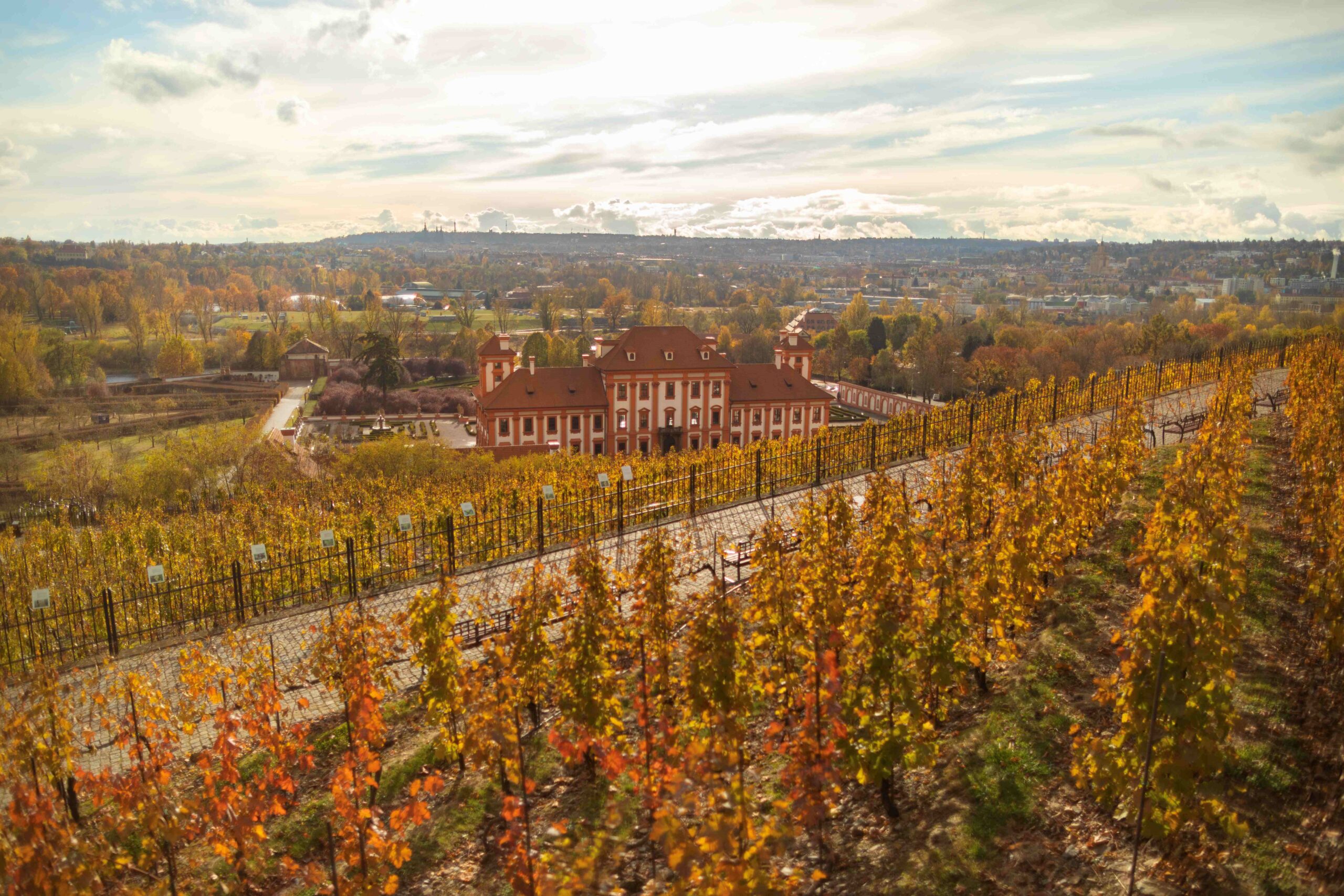
By the early 10th century, viticulture began to expand significantly. Vineyards were planted around Prague, Mělník and across Bohemia. Saint Wenceslas played a crucial role in this development and was later appointed Supremus Magister Vinearum - the Supreme Master of Vineyards.
One of the earliest written references to Czech wine dates to this era, when Saint Wenceslas presented wine as a gift to Duke Bořivoj and Saint Ludmila. Wine was already understood not only as an agricultural product, but as a cultural and symbolic one.
Monastic Knowledge and Discipline
The great medieval religious orders were instrumental in shaping Czech wine culture. Cistercians, Premonstratensians, Benedictines and Dominicans introduced advanced vineyard management, careful record keeping and long-term continuity.
Their monasteries became centers of agricultural innovation, connecting Czech lands to the broader intellectual and viticultural networks of medieval Europe.
The Golden Era of Charles IV
The true turning point came in the 14th century during the reign of Charles IV, Holy Roman Emperor and King of Bohemia.
Charles IV understood wine not only as a cultural asset, but as a strategic one. He actively supported vineyard expansion and codified viticulture through legal protection. In 1358, he issued vineyard laws that safeguarded vineyards, regulated their establishment and protected local production.
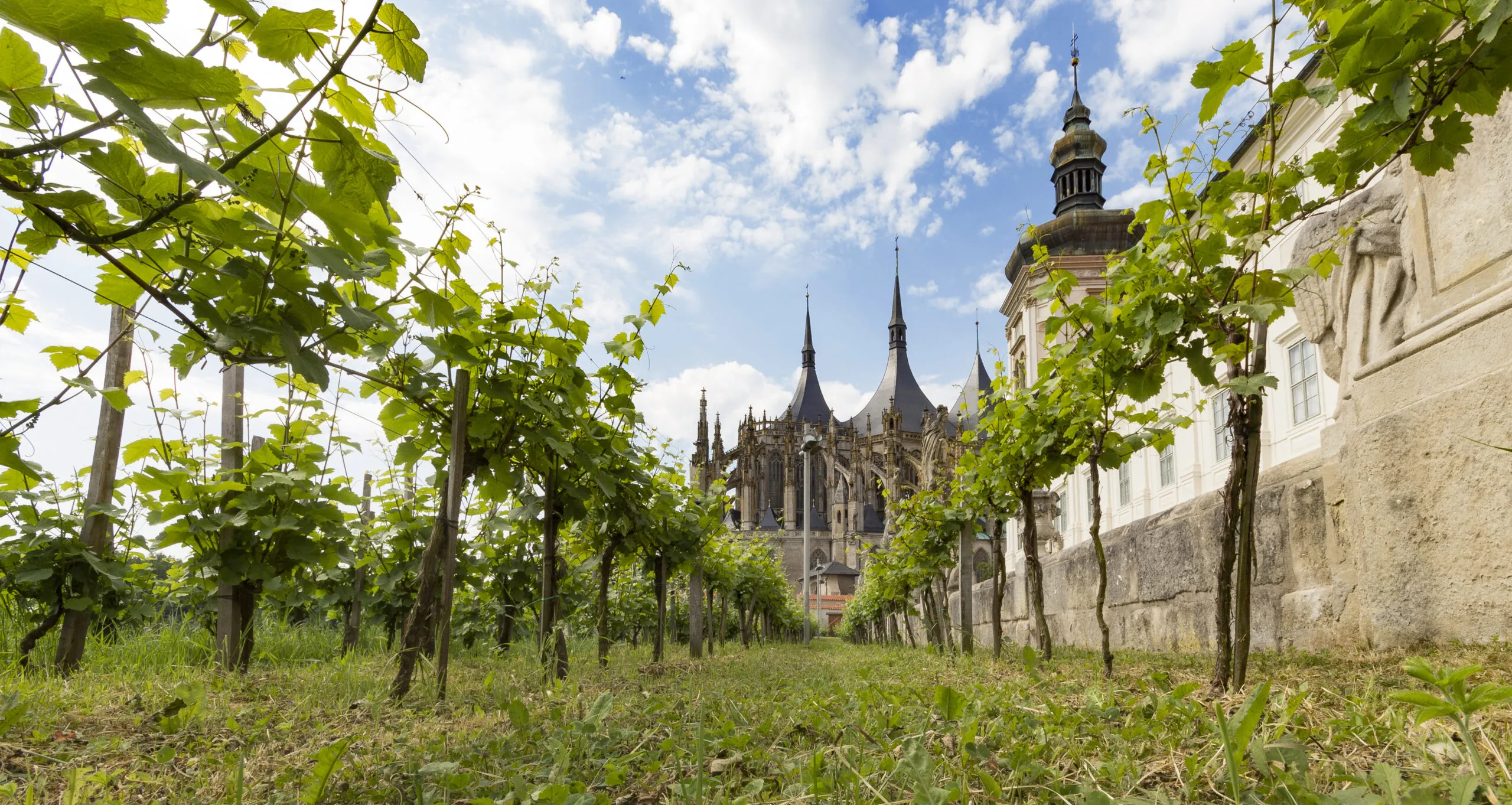
Kutna Hora, St. Barbara’s Cathedral, Abbey and Vineyards
Most importantly, Charles IV deliberately linked Bohemian viticulture to Burgundy.
He ordered the import of vine cuttings from Burgundy and other leading wine regions of France, bringing Burgundian grape varieties and viticultural know-how into Bohemia. This was not symbolic. It was a structural decision that shaped vineyard genetics, styles and philosophy for centuries to come.
The slopes around Prague, Mělník and later Moravia were planted following Burgundian models, emphasizing site expression, hillside vineyards and careful vineyard zoning. This connection places Czech wine firmly within the cultural and historical continuum of Central European and Burgundian wine tradition.
A Structured Wine Culture
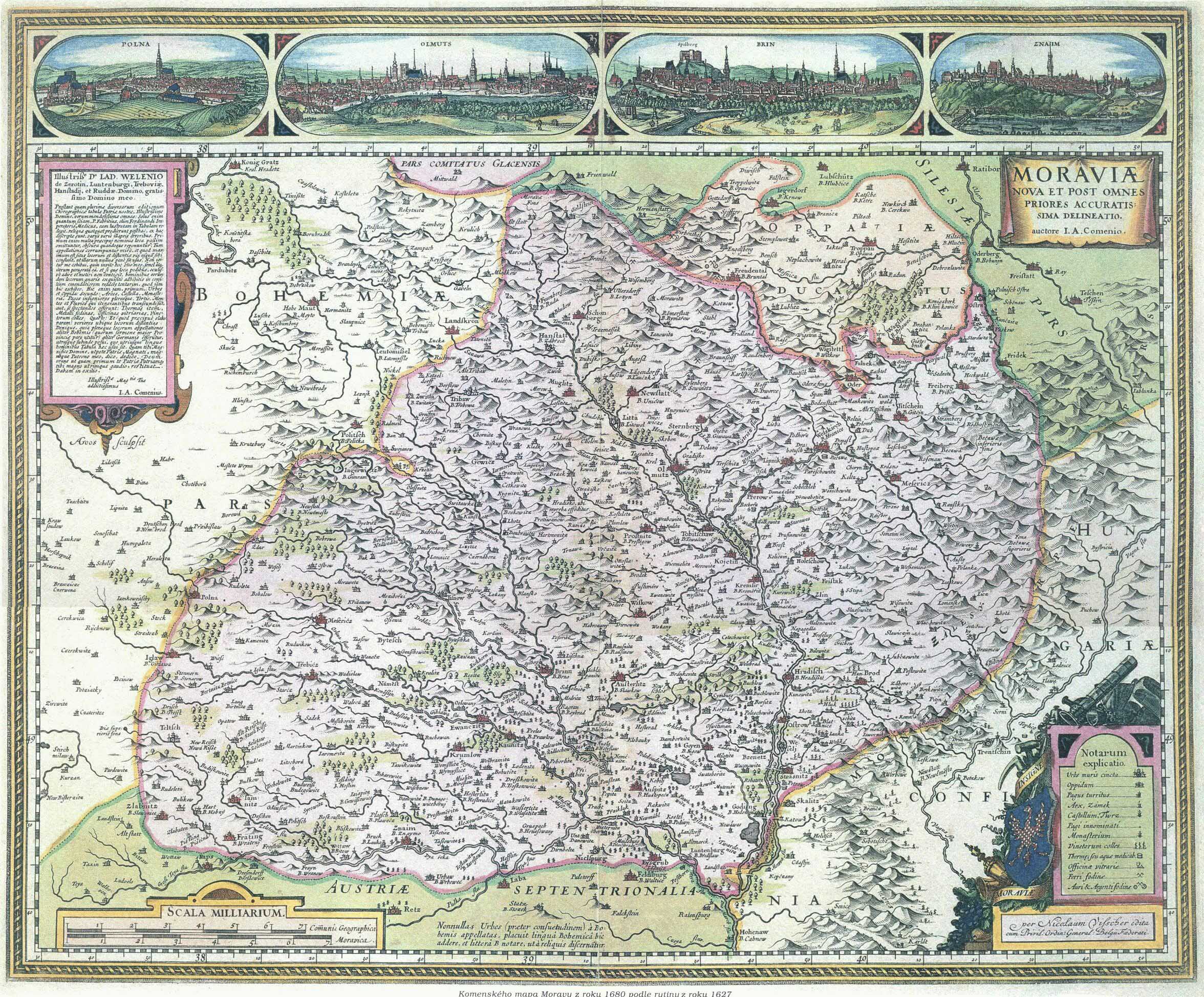
This era marked the peak of medieval Czech viticulture. Vineyards expanded into Moravia, vineyard registers were established, early classifications emerged and vineyard guards were appointed to protect harvests. Imports were restricted to protect domestic production and wine became a respected urban commodity.
Wine was no longer marginal. It was embedded in law, economy and culture.
A Long Interruption, Not a Lost Tradition
The continuity of Czech winemaking was disrupted by a combination of historical forces. Vineyard diseases, economic shifts and industrialization reduced vineyard areas and weakened wine’s cultural position. Consumption patterns changed, favoring beer and spirits, while wine production became increasingly localized and fragmented.
These challenges belong firmly to the past. What matters today is not decline, but recovery and transformation.
The 20th Century Return to Wine
The 20th century marked a deliberate rebuilding of Czech viticulture. Vineyards were replanted with clear varietal focus, cellar technology improved, cooperatives and wine associations were formed, and professional education expanded.
Wine slowly reclaimed its role as both an agricultural product and a cultural expression. Knowledge was systematized, quality became measurable, and a new generation of winemakers emerged with confidence and technical skill.
The Modern Czech Wine Landscape
In the 21st century, Czech wine entered a phase of stability and maturity. Winemaking is no longer driven by necessity alone. It is driven by intent.
Winemakers invest in precision, terroir expression and sustainable practices. They travel, learn, collaborate and exchange knowledge internationally. European Union accession brought a modern legal framework, higher standards and access to education and mobility. Wine tourism developed alongside production, further strengthening regional identities.
Today, Czech wine is dynamic, diverse and increasingly site driven.
A Different Starting Line
Unlike many established European wine countries, Czech winemakers operate with significantly less structural state support. Subsidies, promotional funding and long term export programs are more limited compared to major wine producing nations within the European Union.
As a result, Czech wine has grown largely through individual initiative. Progress has been driven by personal investment, collaboration between producers, and a strong internal motivation to improve rather than by large scale institutional backing.
This has shaped a wine culture that is independent, resilient and deeply personal.
Why Czech Wine Remains Little Known Abroad
There is no single explanation.
Historically, Czech wines were widely traded and respected across Europe. Today, global wine perception often relies on familiar names, iconic appellations and simplified narratives that signal prestige at a glance.
Czech wine rarely benefits from this inherited visibility.
Instead, it belongs to the same cultural lineage as Burgundy, Austria and Germany, but without centuries of uninterrupted global promotion. Its story is not built on reputation alone. It is built through experience.
To understand Czech wine requires curiosity. It rewards those who travel the regions, taste across producers and styles, and form their own perspective rather than relying on established hierarchies.
Perhaps Czech wine remains less visible not because it lacks quality or history, but because it has always asked the world to look closer.